Hot spots on dogs, also referred to as acute moist dermatitis (ew!), typically affect dogs’ heads, hips or chest area, but there are really no boundaries. Hot spots can grow fast, going from bad to worse quicker than you can say “Should I call the vet?”
The reason hot spots on dogs often go from a 2 to a 10 overnight is because of your dog’s unquenchable desire to scratch and bite at irritated skin. A small irritant can turn into a hot spot due to non-stop scratching.

Some of the most common reasons for hot spots include:
-Allergies or anything your dog encounters that irritate the skin and results in nonstop itching and chewing
-Insect, mite, or flea bites
-An underlying infection
-Stress and boredom, which can lead to chronic chewing and licking
-Poor grooming habits
-Other things that can lead to hot spots are anal sac disease, hip dysplasia or anything that creates discomfort or pain and provokes licking/chewing.
Tips to Heal Hot Spots on Dogs
#1. Shave Affected Area
Shave your dog’s hair around the affected area. This allows the skin to breathe and makes it easier to apply medication. It also makes it easier for you to monitor the situation.
#2. Cleanse the Area
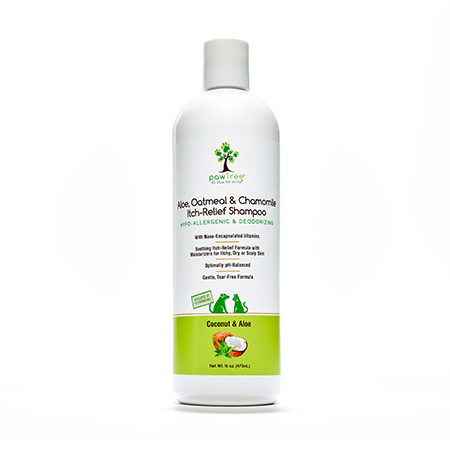
Use a non-irritating solution to clean the hot spot, such as Aloe, Oatmeal, and Chamomile Itch-Relief Shampoo. Get it here. https://pawtree.com/bethanywmoser/product/Aloe-Oatmeal-Chamomile-ItchRelief-Shampoo-Coconut-Aloe-16-oz-2492
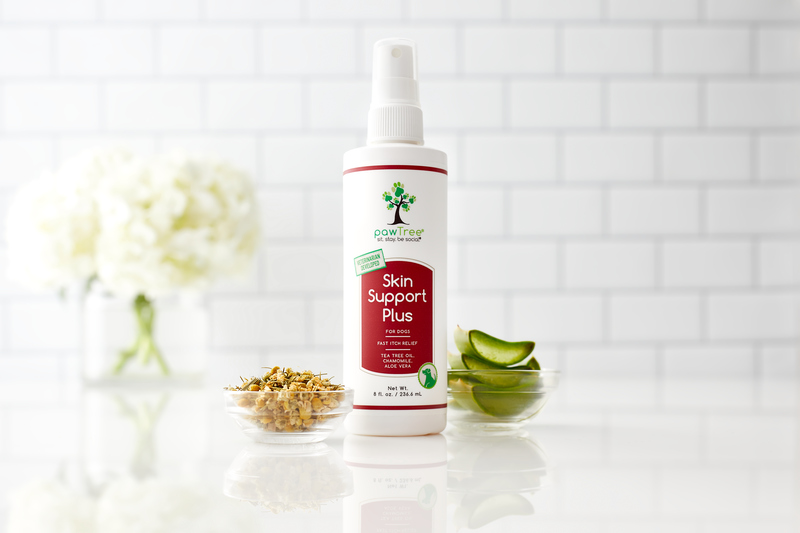
#3. Apply Skin Support Plus Several Times a Day
This soothing blend of tea tree oil, aloe vera and chamomile works synergistically to treat and ease the discomfort of environmental allergies, hot spots, abrasions and other skin problems in dogs. Skin Support Plus provides gentle, natural and immediate relief of itchy or irritated skin.
#4. Add Essential Fatty Acids to Your Dog’s Diet
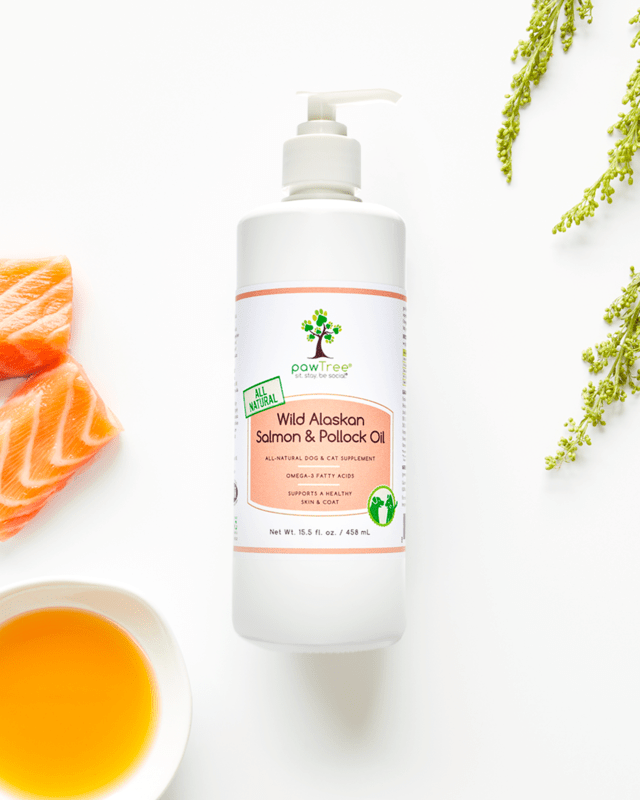
Essential fatty acids like salmon oil improve skin and coat health. Additionally, the omega 3’s DHA and EPA offer documented benefits to your dog’s brain, organs, joints, and eyes. Shop Salmon Oil here. https://pawtree.com/bethanywmoser/products/search?query=salmon%20oil
If your dog’s hot spots are caused by a more serious underlying condition you may also need to treat hot spots with:
-Antibiotics and painkillers
-Medications to eliminate parasites
-If allergies are related to diet, you may need to change your dog to a hypoallergenic food.
If your dog’s hot spots are not getting better or appear to be getting worse, it’s important to visit your veterinarian. A skin swab or biopsy may be necessary to identify persistent bacteria. In some cases, an antibiotic is necessary to heal hot spots on dogs.




Leave a Reply