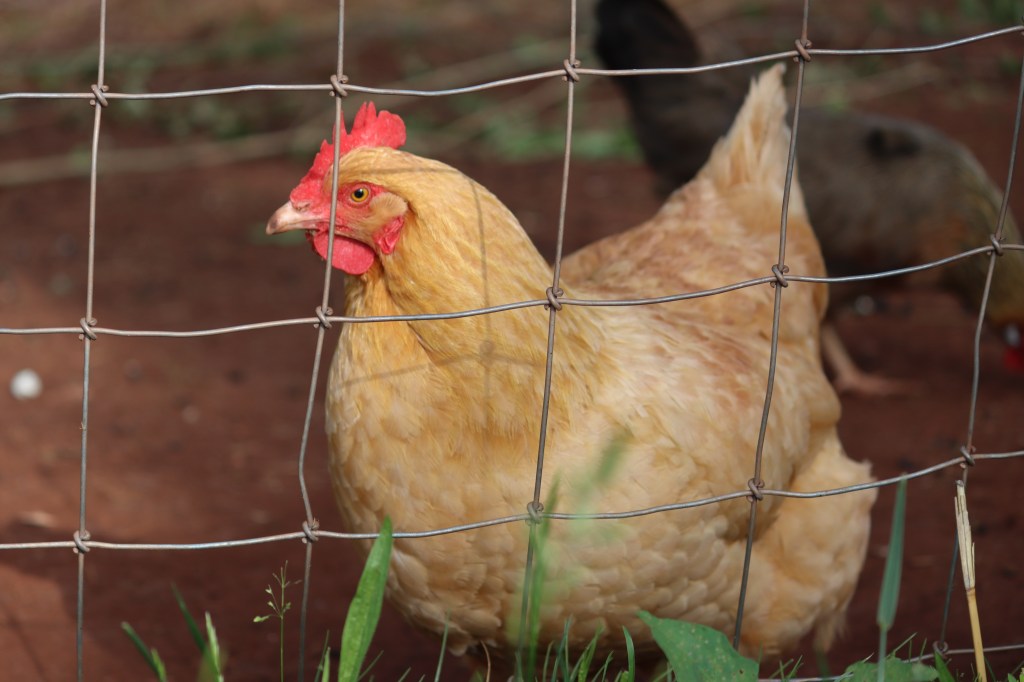
Of course the best part of raising and keeping chickens is having an endless supply of eggs for your family. It is important to gather eggs regularly so you can guarantee freshness. Also, your hens may get attached to their nests and start incubating chicks.
Unfortunately, if you’re like me, you may get too busy and forget to collect your eggs. When you do get around to gathering them, don’t throw them out! They can be float tested to check if they are still good.
Fill a bucket with water, and place the eggs inside. Good eggs will sink, and bad eggs will float. It’s literally that simple. Eggs that float toward the top and stop are questionable, and I put them with the bad eggs. In a pinch, they could be used, but be sure to crack them in a separate bowl away from your good eggs so you don’t ruin the whole batch.
Eggs are covered with a coating called bloom. It is what gives darker eggs their color. Chickens are messy, so you may want to wash your eggs. It’s important to do so gently without scrubbing so the bloom is left intact. If it is removed, the shells may lose their coloration and become more fragile. This also shortens the shelf life of your eggs, as the shell is not as protective from outside elements such as heat and moisture.
If you’re going to consume your eggs within two weeks, there is really no need to refrigerate. I leave mine in cartons on the counter. If you do want to refrigerate, your eggs will last a month or longer, but once they are refrigerated, they need to be left there until they are used. Changing the temperature inside the eggs may cause them to go bad.
Eggs for eating are stored pointy end up. This is because there is an air pocket in the round end for chicks to grow. Eggs for hatching are stored pointy end down to position the air at the top. Of course if you do not have a rooster, this does not matter.
I label my egg cartons with the date they were gathered and tested. If you have eggs that have been sitting for a while, of course you can test them again right before consumption.
Egg shells can be fed back to the chickens, and we compost our bad eggs. If you KNOW an egg is bad from the smell, dispose of it gently so as to not crack it. The pressure inside a rotten egg causes it to explode, which makes a terrible mess.
Something to remember- labels on store bought eggs can be misleading. Natural is anything that is not manmade, so that is all eggs. Fresh technically just means they were never frozen. Farm raised means essentially nothing, as a building full of cages can still be considered a farm. Free range chickens are chickens that are not caged but may still have very little room to move around. The best kind of eggs you can eat are pasture raised. This means the chickens are outside in the open most of the time.
Mind you, close quarters for livestock almost always cause more illness and thus warrant heavier medication. Happy chickens make yummy eggs, and we can certainly taste the difference between eggs from chickens who are treated properly and eggs from those who are not. Consider this when you choose eggs to feed your family and opt for the most nutrient rich, tasty eggs!




 Red Branch Mama
Leave a comment